How to Teach Toddlers and Preschoolers to Count (Fun & Easy Methods)
Teaching young children how to count is one of the most exciting early learning milestones. For toddlers and preschoolers, counting is much more than reciting numbers—it’s about understanding quantity, building language skills, and developing confidence. With the right approach, counting can become a fun, natural part of everyday life rather than a formal lesson.
Why Counting Matters in Early Childhood
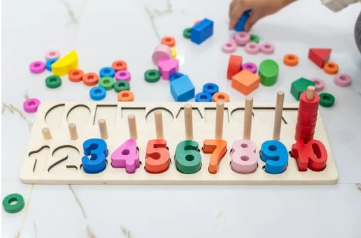
Counting lays the foundation for future math skills. When children begin to understand numbers, they are also developing problem-solving abilities, memory and logical thinking. For toddlers and preschoolers, the goal isn’t perfection—it’s exposure, repetition, and enjoyment.
Young children learn best through play, hands-on experiences, and routines. This means counting should feel like a game rather than a task. Whether you're counting toys during clean-up or steps as you walk upstairs, these small moments add up to big learning.
The importance is to help them understand that counting is more meaningful than reciting 1-10 but it is the quantity of an object that they see before them!
Simple Ways to Teach Counting to Toddlers
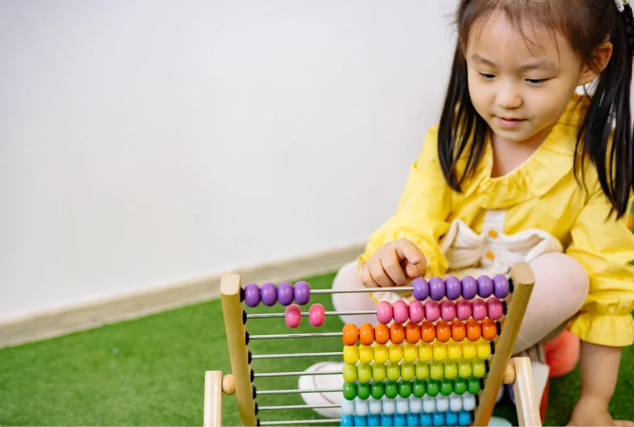
Start by introducing numbers in a natural and engaging way. Sing counting songs, read books with numbers and point out numbers in your environment. Repetition is key—children need to hear and practice counting often.
Use everyday objects to make counting meaningful. Snacks, blocks, cars, and even socks can all become counting tools. For example, you might say, “Let’s count how many grapes you have 1, 2, 3!” This helps children connect numbers to real quantities. What worked at my home is asking my daughter, “How many grapes do you want?” then she would say “1” and I will only give her 1 grape. Then she learned to ask for a larger quantity like “5 grapes” then I would count out, “Okay here is 5 grapes! 1,2,3,4,5!”
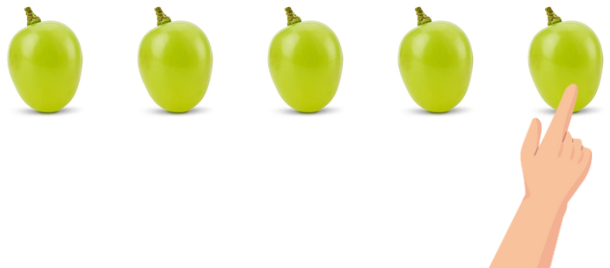
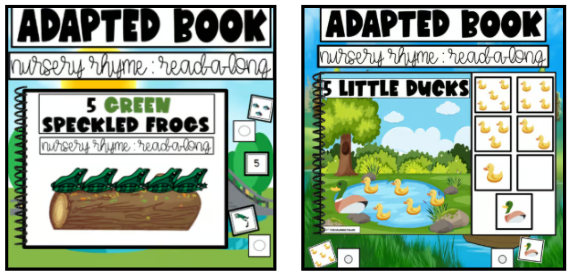
Another helpful strategy is using visual supports. Many children benefit from seeing numbers alongside objects. This can include number charts, flashcards, or simple worksheets that match numbers to pictures.
Most importantly, keep it playful. Turn counting into a game by hiding objects, clapping a certain number of times, or asking your child to jump five times. Movement and interaction make learning stick.
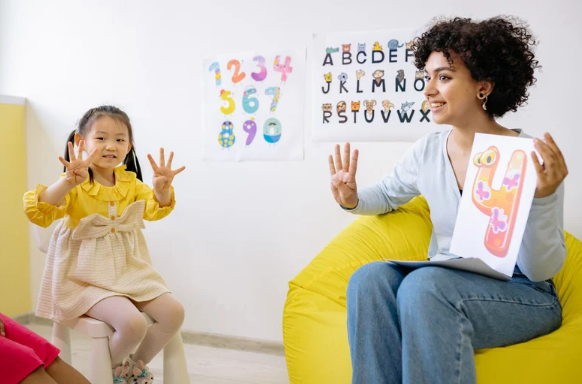
Teaching My 2-Year-Old How to Count
Common Challenges (and How to Handle Them)
It’s completely normal for toddlers and preschoolers to mix up numbers or skip around when counting. At this stage, rote counting (saying numbers in order) often comes before true understanding.
If your child says “1, 2, 4, 7,” don’t worry! Gently model the correct sequence without pressure. Consistency and patience are key.
Another challenge is maintaining attention. Keep activities short and engaging. If your child loses interest, take a break and try again later. Learning should always feel positive and stress-free.
Grab Your Free Counting Cut-and-Paste Worksheet
To make counting even more fun, I’m offering a free counting cut-and-paste worksheet for you to download! This hands-on activity helps children practice counting while also developing fine motor skills like cutting and gluing.
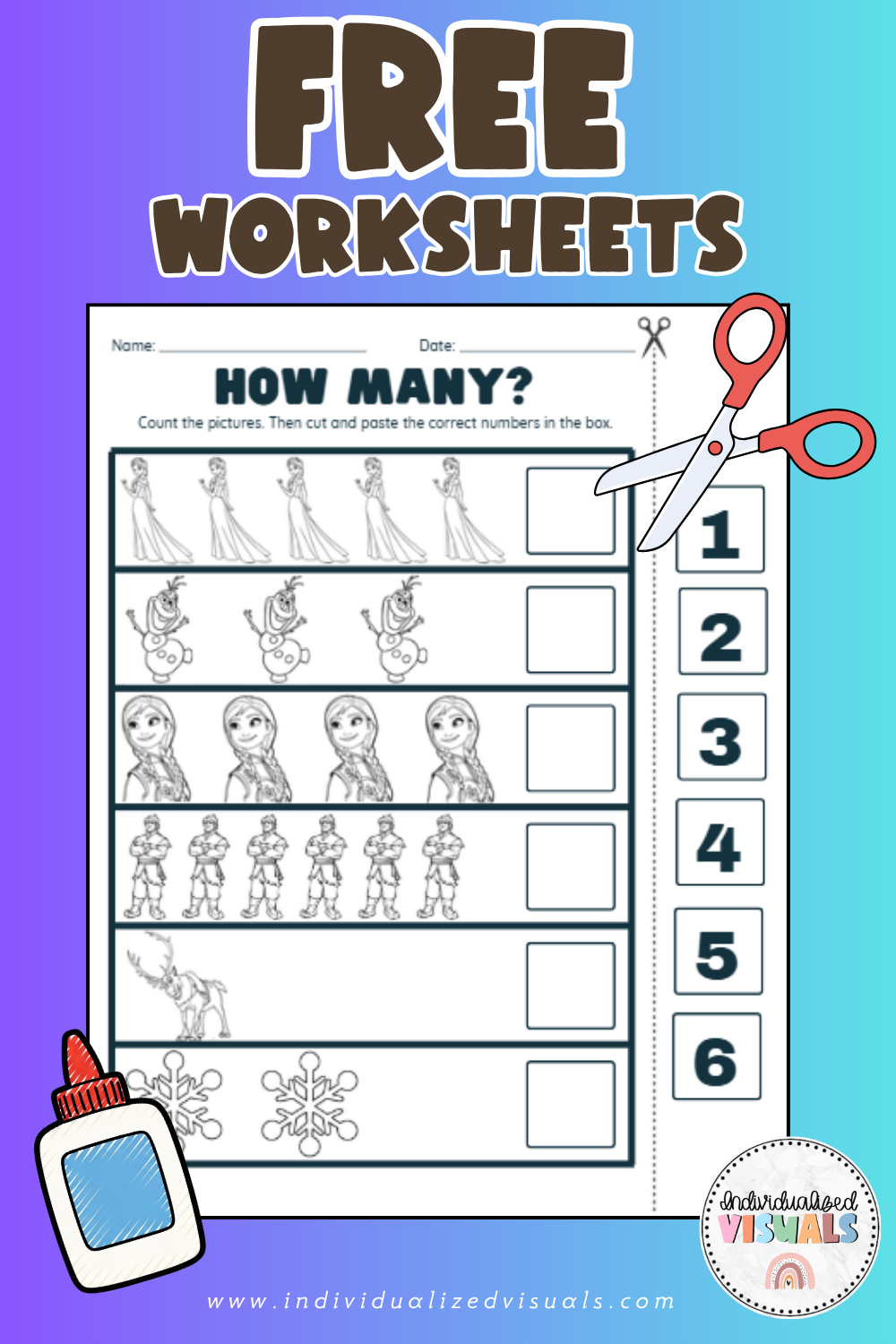
It’s perfect for toddlers and preschoolers who are just starting to explore numbers. Simply print it out and let your child match numbers to the correct number of objects. Activities like this make learning interactive and enjoyable.
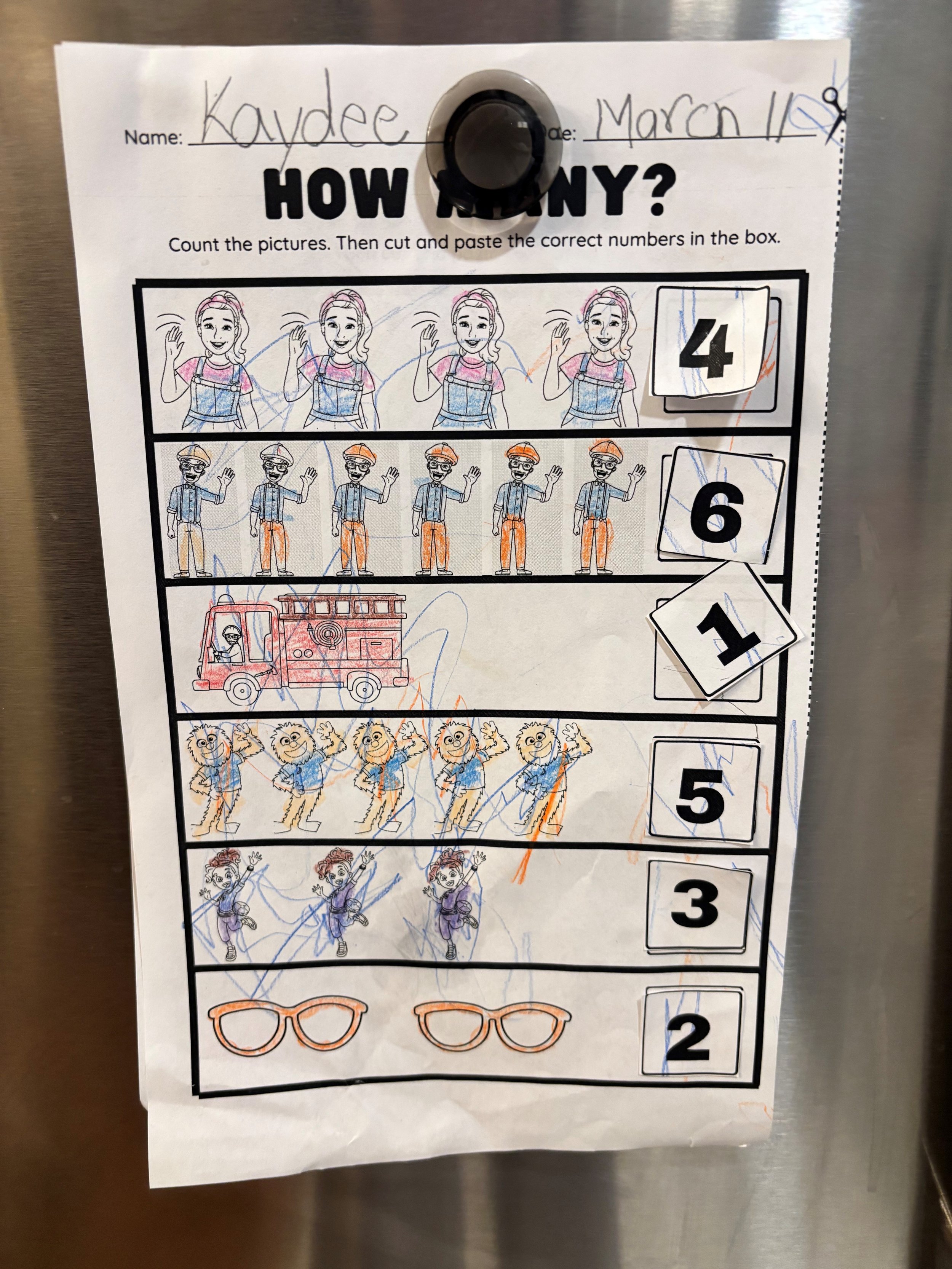
More Counting Activities
If you’re looking for additional ways to support your child’s counting skills, I’ve created a variety of engaging, hands-on resources available in my Teachers Pay Teachers store:
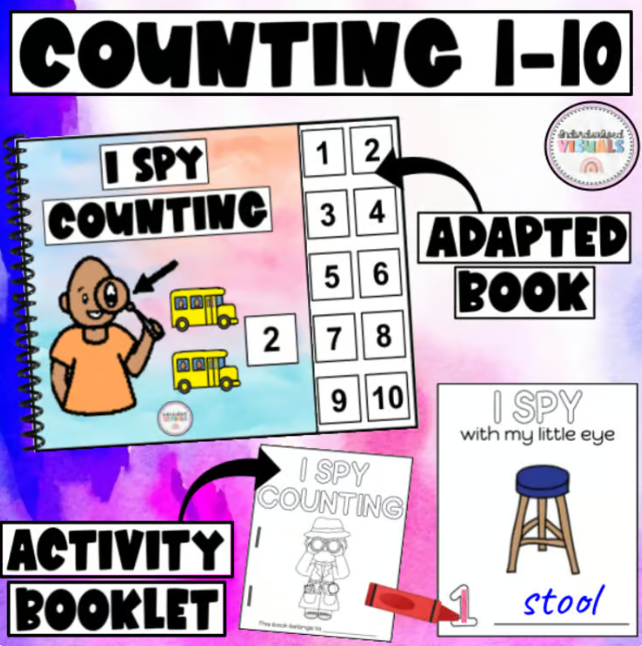
These resources are designed with young learners in mind and focus on visual supports, interactive activities, and simple, clear instructions. You’ll find materials that help with number recognition, counting practice, and early math concepts—all created to make learning accessible and fun.
Whether you’re a parent, caregiver, or educator, having ready-to-use resources can make teaching counting much easier and more enjoyable.
Final Thoughts
Teaching toddlers and preschoolers how to count doesn’t have to be complicated. By incorporating counting into everyday routines, using hands-on activities, and keeping things playful, you can help your child build a strong foundation in early math.
Remember, every child learns at their own pace. Celebrate small successes, keep things positive, and most importantly—have fun along the way!