Safe Hands Social Story: How to Teach No Hitting in Special Education Classrooms
We work in a special education classroom, and we love it. We love teaching their young minds and laughing at their playful jokes. But managing behaviors like hitting, kicking or throwing can be one of the biggest challenges in a special education classroom. Many students with autism spectrum disorder or other developmental disabilities, struggle with impulse control, emotional regulation and understanding personal space. These behaviors make teaching exceptionally more difficult and makes the job we are so passionate about exhausting.
You are not alone, trust me. The good news? These behaviors can be taught and improved with the right supports. One of the most effective tools that me and many other teachers agree with, is a safe hands social story adapted book, which uses visuals, repetition and simple language to teach expected behavior in a clear and engaging way.





What Does “Safe Hands” Mean in the Classroom?
“Safe hands” is a simple and student-friendly rule that means keeping hands to yourself and using gentle touch. Instead of hitting, pushing, scratching or grabbing, students learn what appropriate behavior looks like. This skill is important within the classroom but will also hopefully extend beyond affecting their home and social life.
For example, safe hands might look like:
Folded hands (this is often the gesture that is modelled in classrooms)
Hands in lap
Hands by sides of their body
Gentle high-fives
Keeping hands to self during group activities
Some students often need these expectations explicitly taught and frequently reminded while also corrected in the moment.
Why Students Struggle with Unsafe Behaviors
Hitting and other unsafe behaviors don’t happen “just because.” They are often a form of communication. Students may:
Feel overwhelmed or overstimulated
Have difficulty expressing wants and needs
Struggle with transitions or changes in routine
Lack the skills to regulate emotions
This is why visual supports and consistent teaching are so important. Instead of reacting to behavior, we teach the skills students need ahead of time.
What is a Social Story Adapted Book?
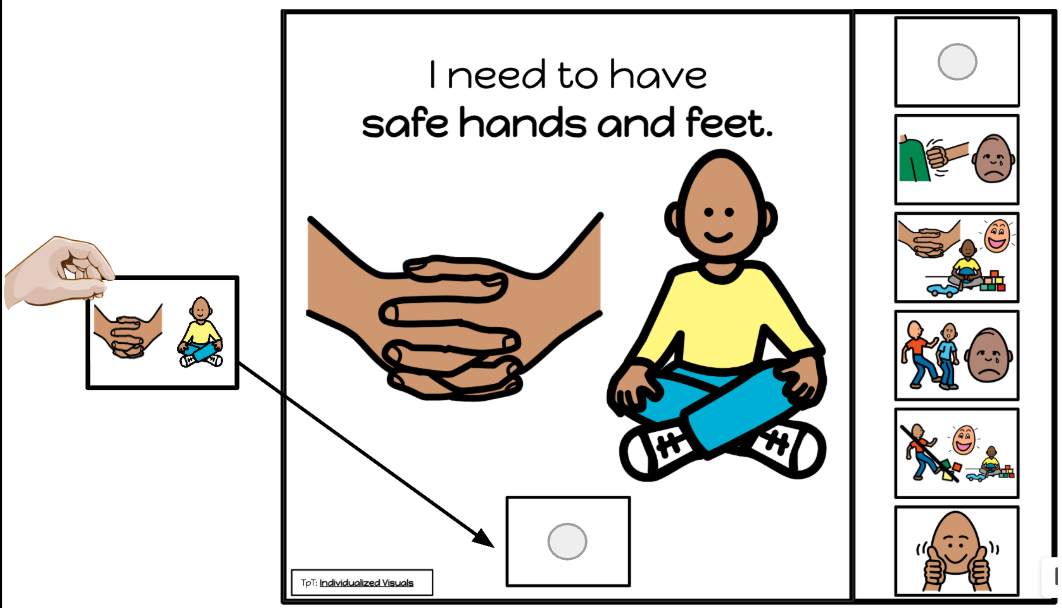
A social story is a short, simple story that teaches students what behavior is expected in a specific situation. Social stories include specific accounts of what could happen in a scenario and also what the child can do in that situation. An adapted book, sometimes called adaptive books, takes this a step further by making the learning interactive and hands-on. Sometimes social stories are simply read to the child, but you are unsure if any content was actually consumed or understood. An adapted book asks the student to remove a velcro picture from the side to match at each page which encourages the student to be an active participant in the learning.
These velcro books often include:
Clear and repetitive language
Visual supports or real-life images (I like to use Boardmaker PCS which are commonly used in school or therapy settings)
Matching component
Adapted books are especially helpful for special education, autism support, non-readers and ESL learners because they make abstract concepts concrete and easy to understand.
If you want a more detailed explanation of how I use adapted books in teaching lessons on literacy, math, science and more. Then check out this blog post!
How this safe hands adapted book helps
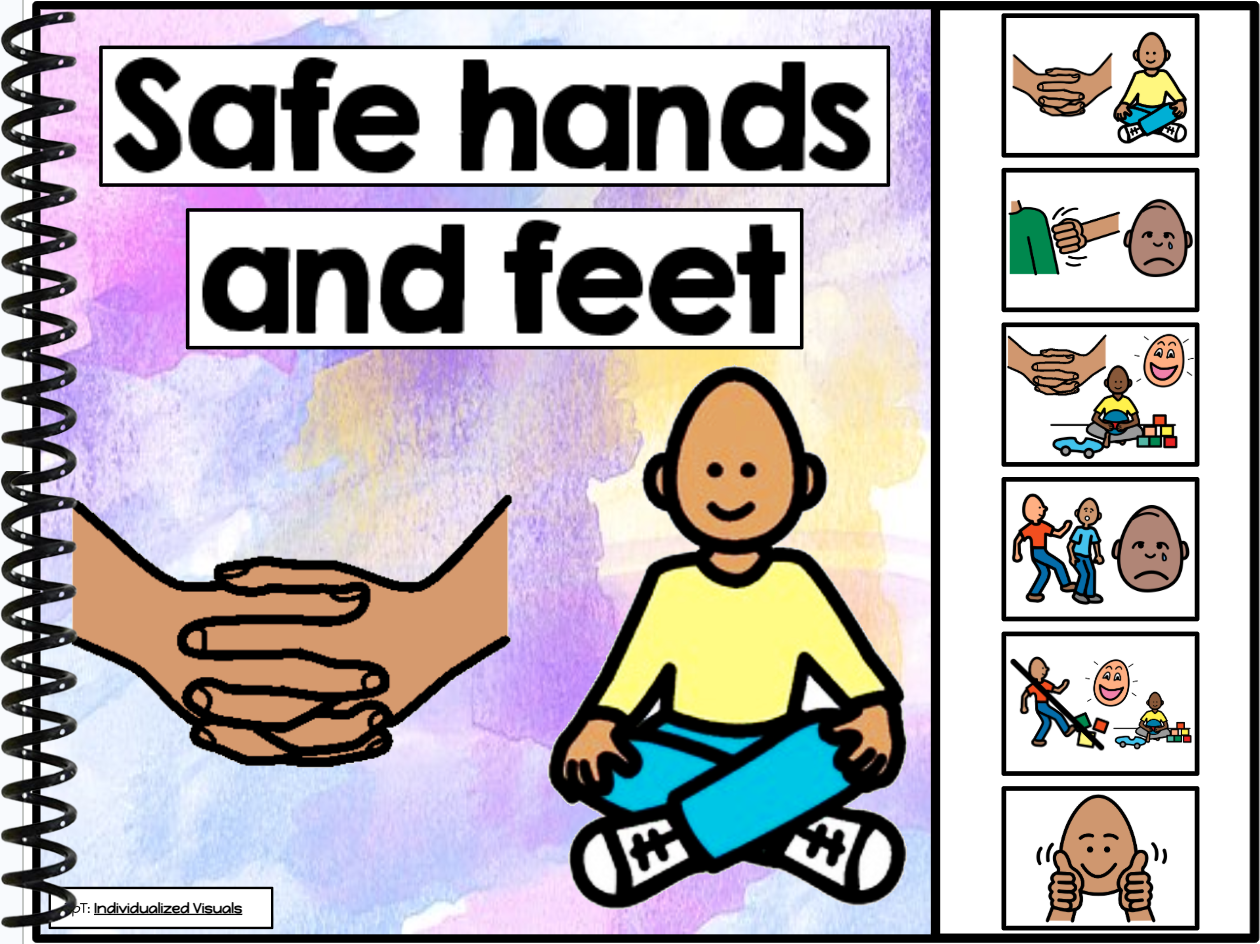
If you’re looking for a practical way to teach safe behavior, this Safe Hands Social Story Adapted Book (No Hitting or Kicking) is designed to do exactly that.
This resource helps students:
Understand what “safe hands” looks like
What “safe feet” looks like
Learn what behaviors to avoid (like hitting and kicking)
Practice appropriate alternatives
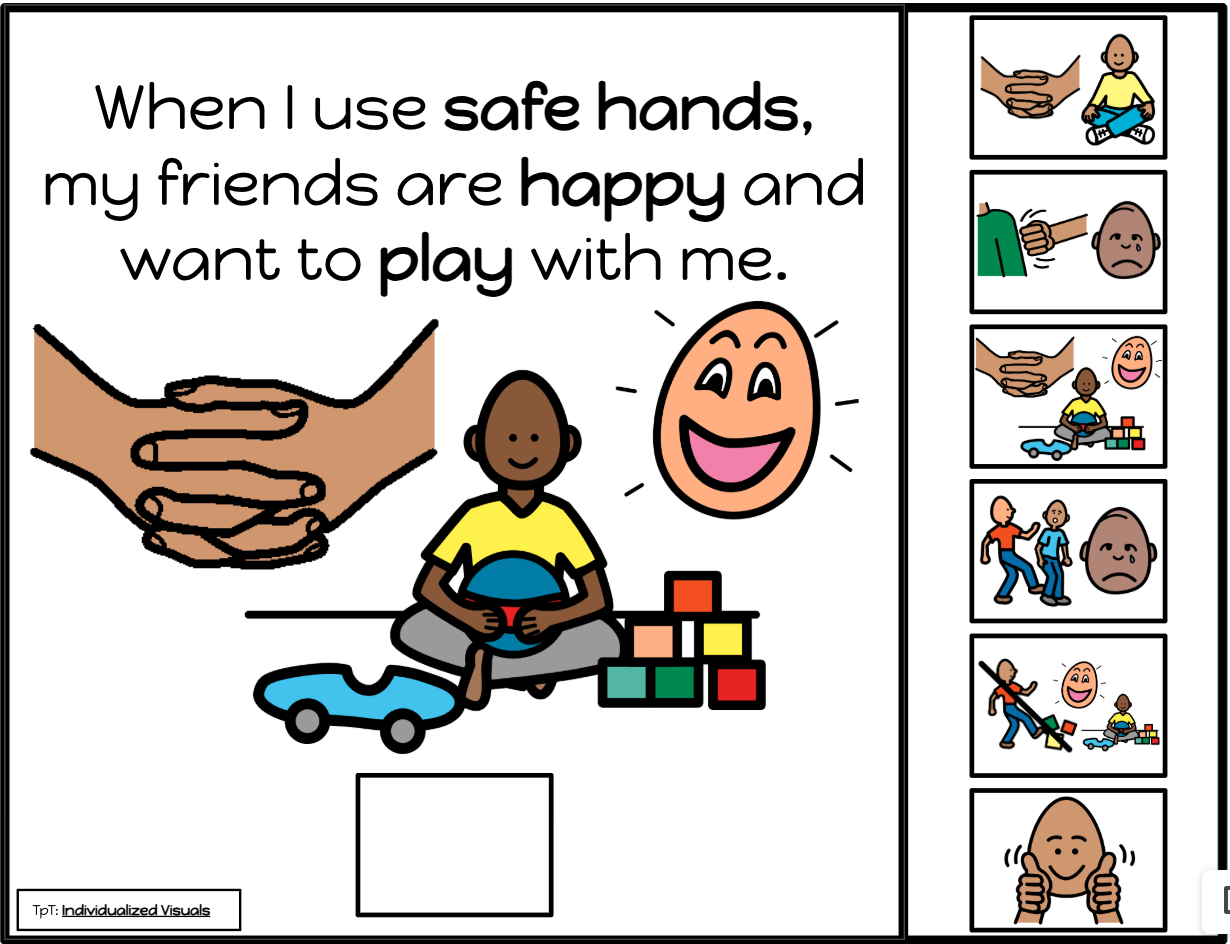
How having safe hands and feet make others feel
How unsafe hands and unsafe feet makes others feel
With simple language, engaging visuals and interactive elements, students can actively participate while learning. The repetition built into the book helps reinforce expectations, making it easier for students to remember and apply what they’ve learned throughout the day.
When and How to use a Safe hands social story?
For best results, social stories should be used proactively, not just after a behavior happens.
Try using your safe hands adapted book:
Before transitions or high-energy times
During morning meeting or small group lessons
As part of a daily routine
Small groups activity or whole class instruction: Students can take turns matching a velcro picture at each page
One-on-one instruction as a daily for consistent reinforcement.
I recommend reading it when the child is in a good receptive mood. This is because sometimes if they are already escalated then they are not able to absorb the content.
After an aggressive episode. You can also read this during tension reduction to remind them why the unsafe behaviors were not a good choice
Consistency is key. Read the story regularly, refer back to visuals and give students chances to practice safe hands in real situations. Over time, this builds understanding and independence.

Why do Social Stories work for behavior management?
Social stories are effective because they:
Break down expectations into simple and manageable steps
Reduce anxiety by making behavior predictable
Teach students what to do and not just what not to do
Instead of punishment, social stories and adaptive books focus on teaching and support, which leads to more positive and lasting behavior changes.
Who these resources would benefit?
This safe hands adapted book is ideal for:
Special education classrooms
Autism support programs or ABA therapy sessions
Kindergarten and early primary students
Speech therapy or occupational therapy sessions
Behavior intervention plans
Parents with children who hit or grab
Final thoughts
Teaching safe behavior takes time, consistency and the right tools. When students clearly understand expectations and are given opportunities to practice, they are much more likely to succeed. I know the journey can be gruelling and hard for the teachers and other students in the class. But trust me, the destination will be worth it!
If you’re looking for other behaviour management resources to add to your classroom toolkit, check out these other ideas!
Free teaching activities
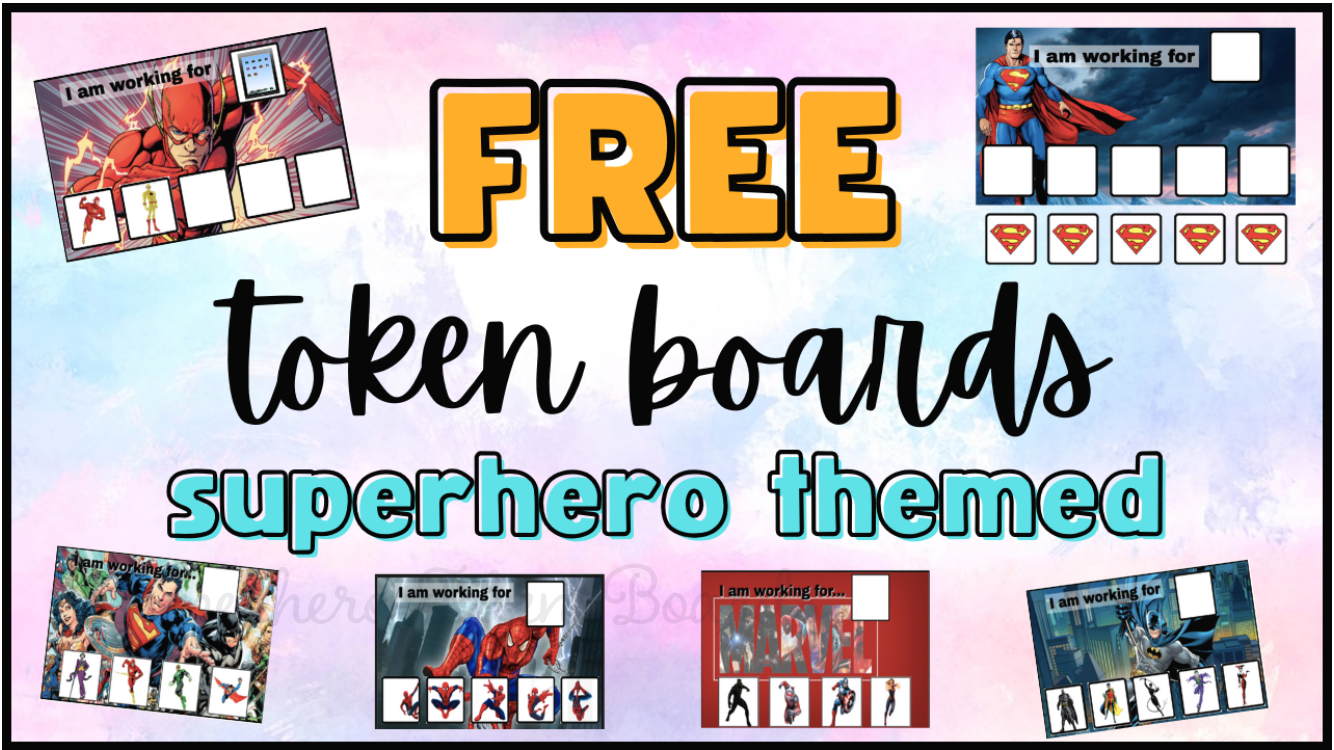
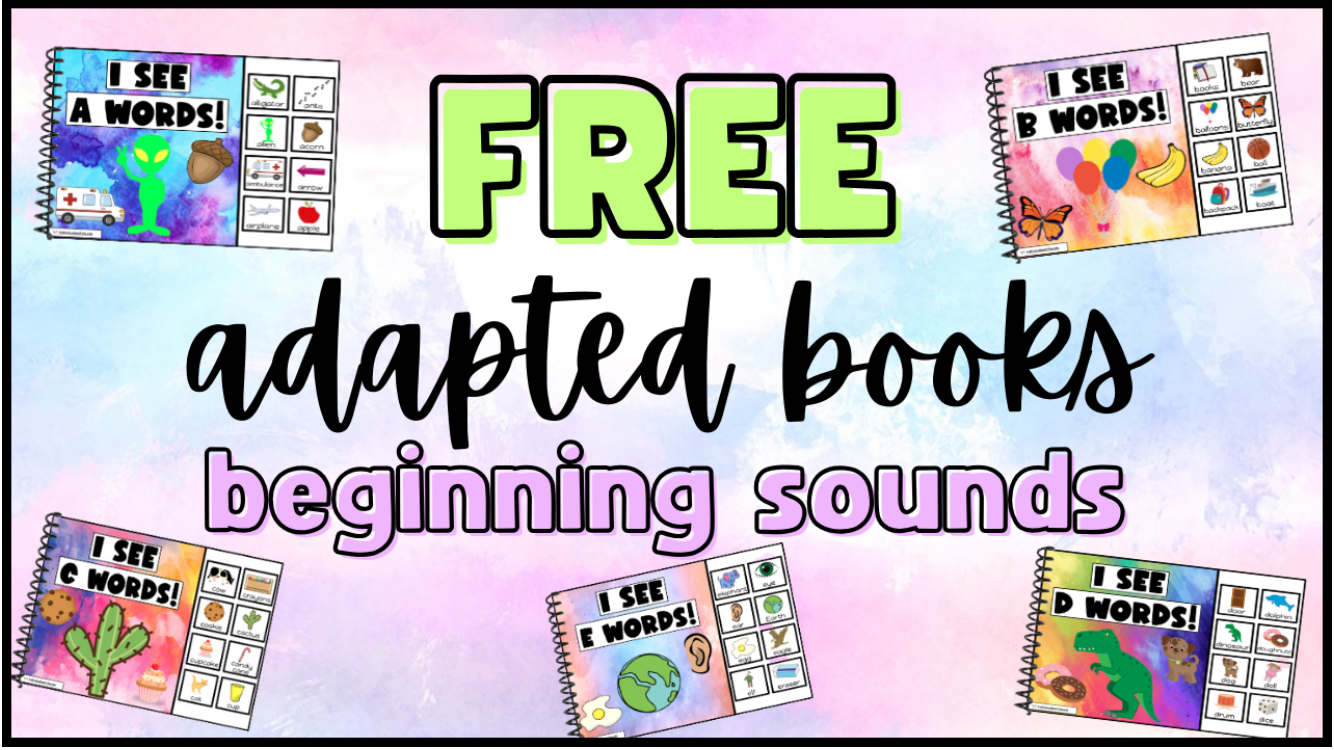
Are you looking for some free resources to add to your teaching collection? Check out these FREE token boards and FREE adapted books on beginning sounds. Simply subscribe to my mailing list then get these free activities directly to your inbox! I promise I will only send out incredible special education activities about 1-2 times a month so you won’t be overwhelmed with emails!
Thanks for getting this far ♡ I really appreciate all of your support!
Happy teaching,
Kristi of Individualized Visuals