Teaching Beginning Sounds for Special Education and Toddlers (With a Free Cut-and-Paste Activity)
Teaching beginning sounds is one of the most important first steps in helping young learners become confident readers. Whether you’re working with toddlers just starting their literacy journey or students in special education who need extra support, mastering initial sounds lays the foundation for everything that follows like blending, decoding and reading fluency.
If you’ve ever wondered how to make beginning sounds click for your learners, this guide will walk you through why it matters, how to teach it effectively and how to use hands-on tools.
Keep reading to download the FREE beginning sounds Cut & Paste Worksheet!
Why Beginning Sounds Matter
Before children can read words, they must understand that words are made up of individual sounds. This skill is called phonemic awareness, and it’s a critical building block of early literacy.
Beginning sounds are often the easiest place to start because they are the most noticeable part of a word. For example, it’s easier for a child to hear the /b/ in “ball” than to isolate middle or ending sounds.
Research consistently shows that explicit instruction in phonics—teaching the relationship between letters and sounds—helps children decode words and become successful readers.
For students with special needs, this instruction becomes even more essential. They often benefit from:
Repetition
Visual supports
Hands-on activities
Clear, structured routines
When Should You Start Teaching Beginning Sounds?
The short answer: earlier than you might think—but always developmentally appropriate.
Many children begin recognizing letter sounds around ages 3–4 when learning is playful and engaging.
However, readiness matters more than age. Signs a child is ready include:
Interest in letters or books
Ability to hear rhymes
Basic vocabulary development
Ability to focus briefly on activities
For toddlers and special education learners, the goal isn’t perfection—it’s exposure, engagement, and gradual understanding.
My strategy to teach my 2 year old phonics
What I would do is play phonic songs when driving in the car with my daughter since she was born. Simply with repetition and a variety of different letter sound songs, helped her recognize the letter sounds! This strategy paired with LOTS of library books about words that begin with each letter of the alphabet and also videos of phonics songs were also very beneficial so she can match the letter with how the letter looks. Now, she is 2 and knows all of her phonics!
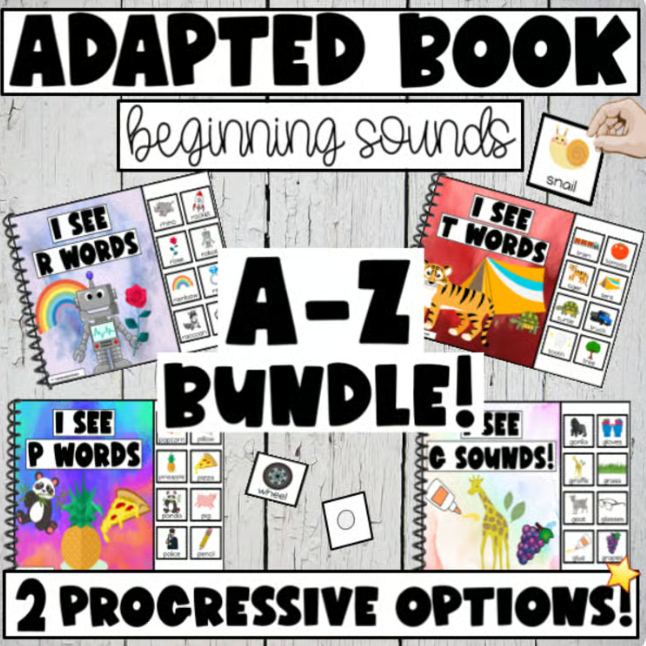
I take it to a another level now by asking her “What does A say?” or “A says?” and she will respond “Ah!”. I also introduced flash cards and adapted books on beginning sounds, very early. Adapted books are a great way to keep them engaged by letting them remove the velcro pictures to match with the page! We even do cut and paste matching worksheets and she adores them! My little smartie pants :)

Key Principles for Teaching Beginning Sounds
1. Start with Sounds, Not Letter Names
When teaching beginning sounds, focus on the sound itself rather than the letter name.
For example:
Say: “/m/ as in moon”
Not: “This is the letter M”
This helps children connect sounds directly to words, which supports reading development later.
2. Use Explicit and Structured Instruction
Students, especially those in special education, benefit from clear and direct teaching.
That means:
Model the sound
Give examples
Practice together
Then allow independent practice
Consistent routines build confidence and reduce confusion. I would even go as far as saying, “Kaydee, it is time for literacy!” and we will begin learning about our letter sounds.
3. Keep It Multi-Sensory
Hands-on learning is key. Children learn best when they can:
See it
Say it
Touch it
Move it
Examples include:
Sorting pictures by beginning sound
Using objects (ball, apple, toy car)
Tracing letters while saying the sound
Cut-and-paste activities
4. Teach in Small & Manageable Sets
Avoid overwhelming learners with the entire alphabet at once.
Start with a small group of useful letters like:
S, a, t, p, i, n
These are common letters that practice different sounds
Or you can also use meaningful letters
Kaydee learned M and D first because of Mama and Dada
These allow children to begin forming simple words quickly, building confidence early.
5. Practice Consistently
Repetition is critical. Students need many opportunities to hear, identify, and use beginning sounds. Short daily practice (5–10 minutes) is often more effective than longer, infrequent lessons. I will try and introduce it throughout the day whenever it happens naturally. For example, if I see a bird. I’ll say “Wow I see a bird” “Buh Bird” “B is for Bird!”.
Strategies That Work for Special Education
Teaching beginning sounds in special education requires intentional differentiation. Here are strategies that make a real difference:
Visual Supports
Use clear pictures paired with sounds. For example:
/b/ → ball
/c/ → cat
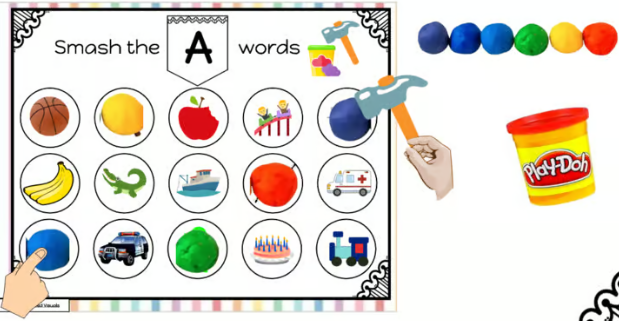
Visuals reduce cognitive load and support understanding. These play doh smash mats are a fun way for young learners to identify what starts with each letter. Simply print and laminate them! Then they will roll a ball of playdoh and “smash” it on top of the picture!
Simplified Language
Use short and consistent phrases:
“D says?”
“/d/ dog”
Consistency helps students process information more easily.
Fun and Effective Beginning Sounds Activities
Here are some engaging ways to teach beginning sounds:
1. Sound Hunts
Pick a sound and find objects around the room or around nature that match:
“Find things that start with /b/!”
Wow! B for Bird! I found L for Leaf!
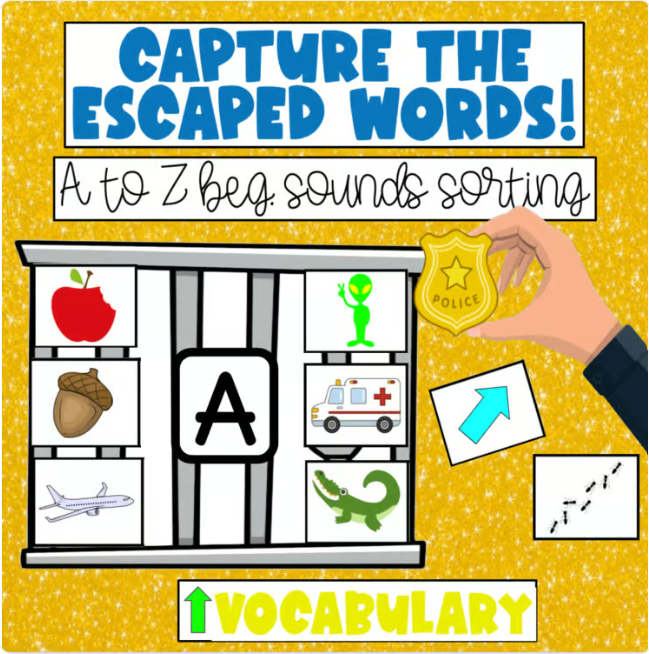
2. Picture Sorting
Give students pictures and have them sort into the letters based on beginning sound. This is a beginning sounds sorting mat that included my nephew’s preferred topic… police! The child can sort the pictures according to the letters of the alphabets.
3. Movement-Based Learning
Assign actions to sounds:
/s/ → slither like a snake
/b/ → bounce like a ball
Sometimes attaching a movement or funny action will increase engagement and make it more likely for them to remember!
4. Sensory Play
Another strategy is to mix learning with play! Try adding letters into their favorite sensory mediums such as:
Sand trays
Playdough
Magnetic tray
Water table
Sensory rice
Water beads
Inside easter eggs
You can even print out some of the pictures included in the sorting activities above and hide them under the sand/rice. They would love finding them and you can label them with the letter sounds!
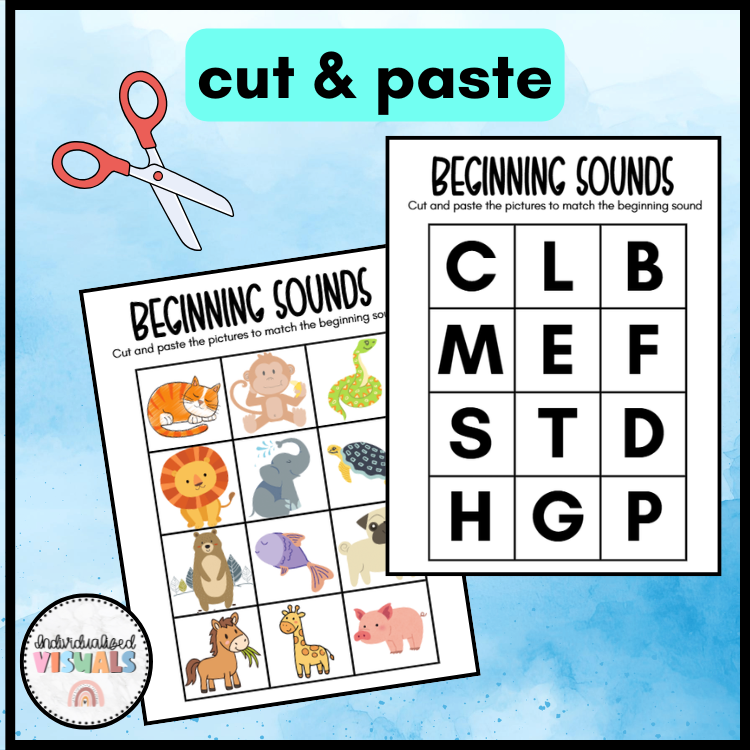
5. Cut-and-Paste Worksheets
This is where structured practice meets hands-on learning.
Cut-and-paste activities are especially helpful because they:
Combine fine motor skills with phonics
Provide visual clarity
Reduce overwhelm
Encourage independence
Using a Free Cut-and-Paste Beginning Sounds Worksheet
If you’re looking for a simple, effective activity, you can download this free resource here:
👉 Download Beginning Sounds Worksheets
How to Use It:
Step 1: Model First
Show the student how to say each picture and identify the beginning sound.
Step 2: Say It Together
Example:
“/c/ cat”
“/d/ dog”
Step 3: Cut and Sort
Students cut out pictures and glue them under the correct sound.
Step 4: Reinforce
Repeat the sounds as they work:
“Yes! /b/ ball goes here.”
Why This Works So Well
Cut-and-paste activities combine multiple learning pathways:
Visual (seeing the picture)
Auditory (hearing the sound)
Kinesthetic (cutting and gluing)
This multi-sensory approach is especially effective for learners who need additional support.
Final Thoughts
Teaching beginning sounds doesn’t have to be complicated. In fact, the most effective instruction is often simple, structured, and hands-on.
To recap:
Start with sounds, not letter names
Keep lessons short and engaging
Use multi-sensory strategies
Provide lots of repetition
Incorporate hands-on tools like cut-and-paste worksheets
For toddlers and students in special education, these strategies aren’t just helpful—they’re essential.
And if you’re looking for an easy way to get started, don’t forget to grab your free cut-and-paste worksheet. It’s a simple tool that can make a big difference in helping your learners connect sounds to words and build a strong foundation for reading success.