Why Boardmaker Visuals and PECS Are Essential in the Classroom
In today’s diverse classrooms, educators are constantly looking for ways to support all learners, especially those who benefit from visual structure and communication supports. Boardmaker visuals and the Picture Exchange Communication System (PECS) have become essential tools in creating inclusive, supportive and predictable learning environments. These visual supports are not only beneficial for students with autism or communication challenges, but they can enhance learning for all students by making expectations clear and reducing uncertainty.
Supporting Understanding Through Visual Communication
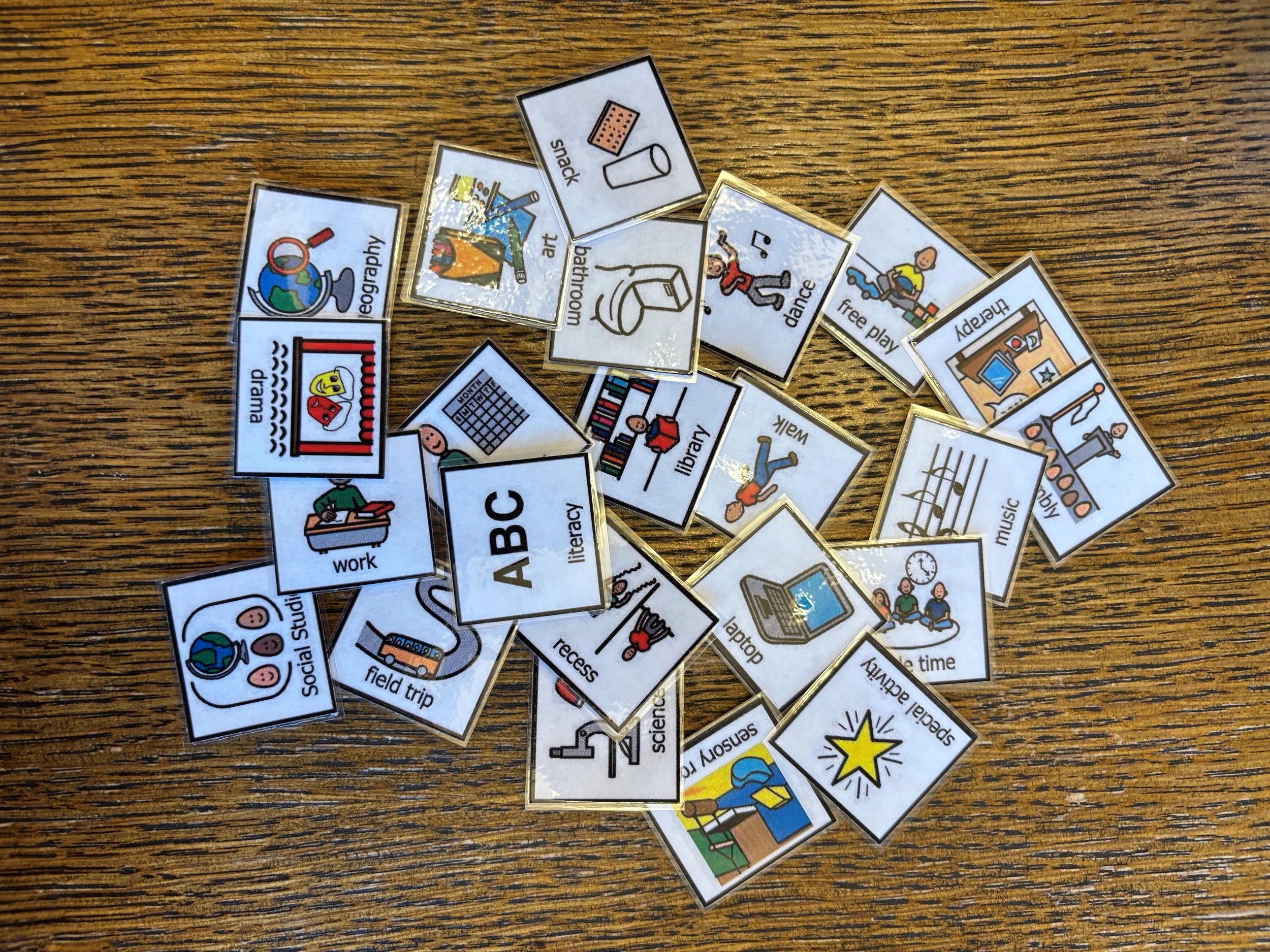
One of the most important reasons to use Boardmaker visuals or PECS in the classroom is that they provide a clear and consistent way for students to understand their environment. Many students struggle with processing verbal instructions alone. Visuals are easier to comprehend quickly due to the pictures and text, helping bridge the gap between spoken language and comprehension. Whether it’s a simple icon representing “line up,” “sit down,” or “read,” these images help students quickly grasp what is expected of them without confusion or repeated prompting.

Establishing Routine with Visual Schedules
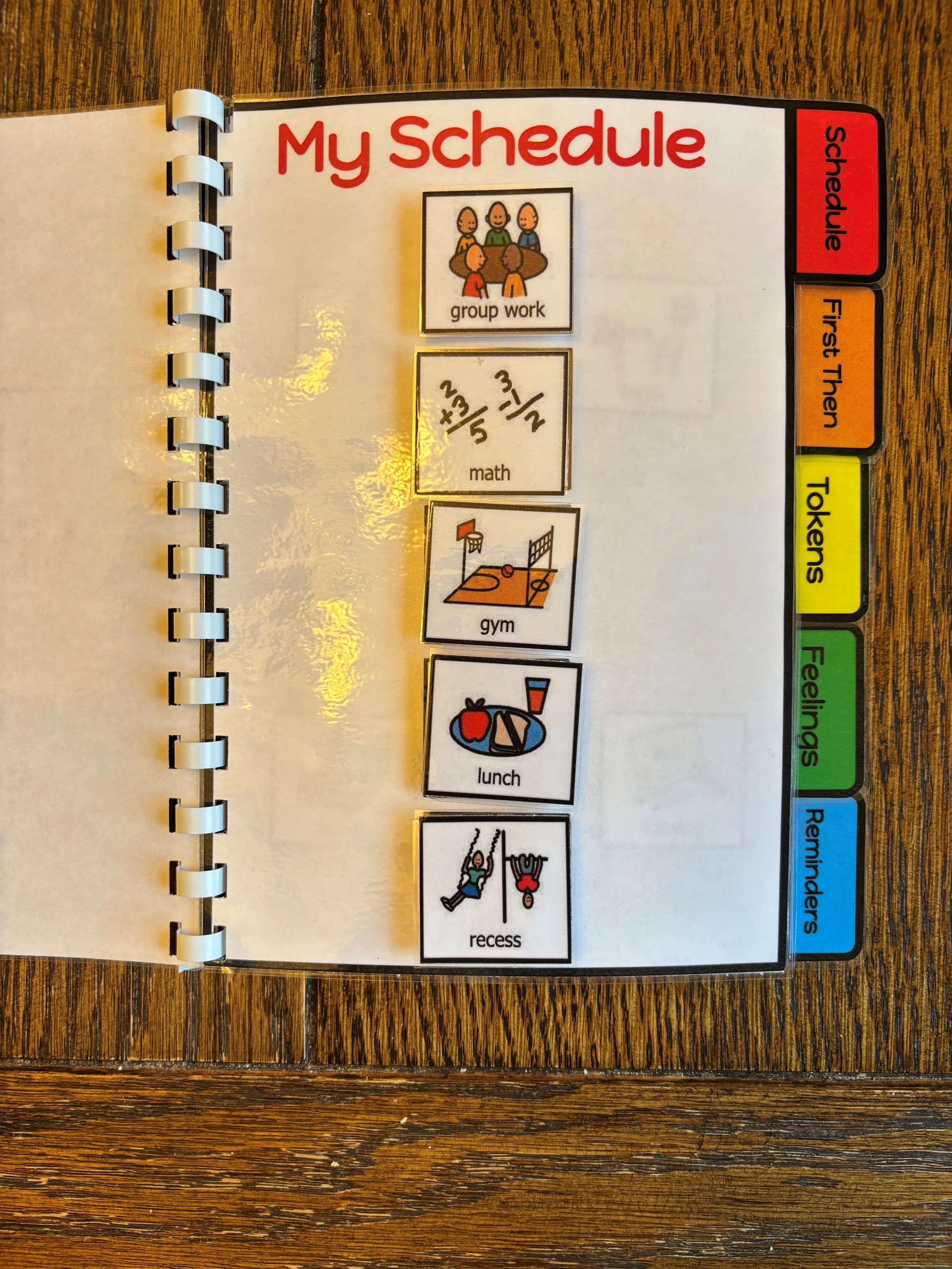
Incorporating visuals into daily routines is a powerful way to establish structure. Visual schedules, for example, allow students to see what activities are coming next, reducing anxiety about transitions. When students know what to expect, they are more likely to feel secure and engaged. A daily schedule displayed at the front of the classroom or individual schedules on student desks can make a significant difference in how smoothly the day runs. Teachers can refer to the schedule throughout the day, reinforcing predictability and helping students transition more independently.
Reducing Challenging Behaviours
Boardmaker visuals and PECS are highly effective in reducing challenging behaviours. Many behaviours stem from frustration, confusion, or an inability to communicate needs. When students have access to visuals that allow them to express themselves—such as requesting a break, asking for help, or choosing an activity—they are less likely to resort to behaviours as a form of communication. For example, a student who becomes overwhelmed can use a “break” card instead of acting out. This not only supports the student but also helps maintain a calm and focused classroom environment.
Using Visuals to Clarify Expectations
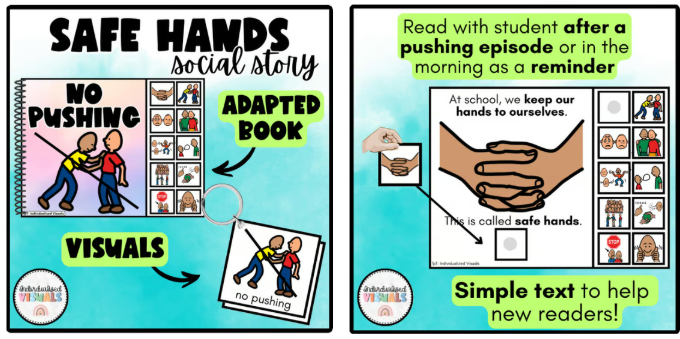
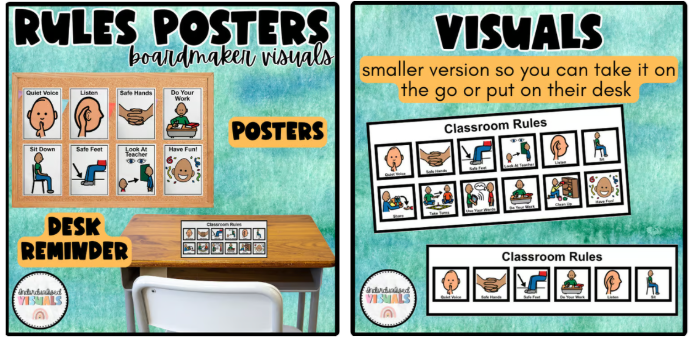
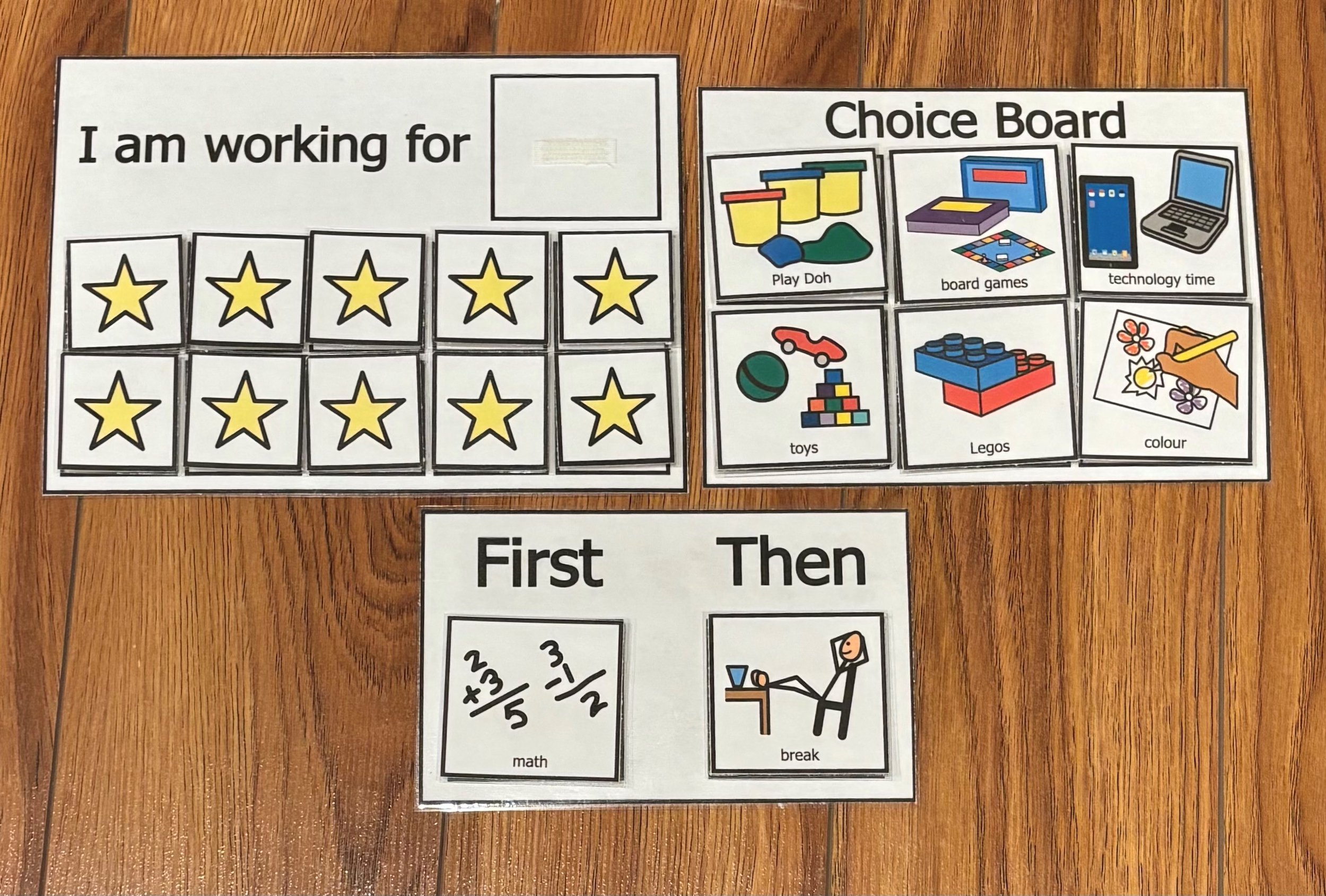
Another way visuals help reduce behaviours is by clearly outlining expectations. Visual rules, step-by-step task strips, token board and “first-then” boards can guide students through activities while minimizing resistance. A “first-then” board, for instance, shows a student that they must complete one task before moving on to a preferred activity. This simple visual structure can significantly increase compliance and motivation, especially for students who struggle with transitions or non-preferred tasks.
Scroll down BELOW 👇 to download the FREE First Then Boards, Choice boards and token boards!
Promoting Independence in Students
Visual supports also encourage independence. Instead of relying on constant teacher direction, students can refer to visuals to guide their actions. This builds confidence and self-regulation skills over time. For example, a student completing a morning routine can independently follow a visual checklist—hang up backpack, put away lunch, sit at desk—without needing repeated verbal reminders. This not only empowers the student but also frees up teacher time to support others.
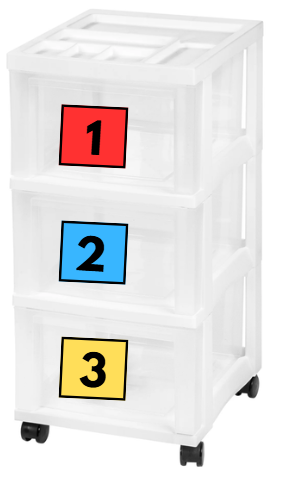
This can be done by enforcing a bin system or visual schedule that is located at their desk. Then they know: first complete the work in bin 1, 2 and 3, then they get a preferred activity!
Integrating Visuals Across the Classroom
Visuals can be seamlessly integrated into all areas of the classroom. They can be used during academic instruction, social interactions, and even play. Labeling classroom materials with pictures and words helps students navigate their environment. Visual choice boards can be used during centers or free time, giving students a structured way to make decisions. Even group activities can be supported with visual cues to indicate turn-taking, listening, or participation.
Explore Ready-to-Use PECS Resources
If you’re looking to get started or expand your collection of visual supports, I offer a wide range of ready-to-use PECS and Boardmaker-style resources in my Teachers Pay Teachers store. These resources are designed with educators in mind—clear, engaging, and easy to implement in any classroom setting. From visual schedules and first-then boards to behaviour supports and communication cards, my store provides practical tools that can make an immediate impact.
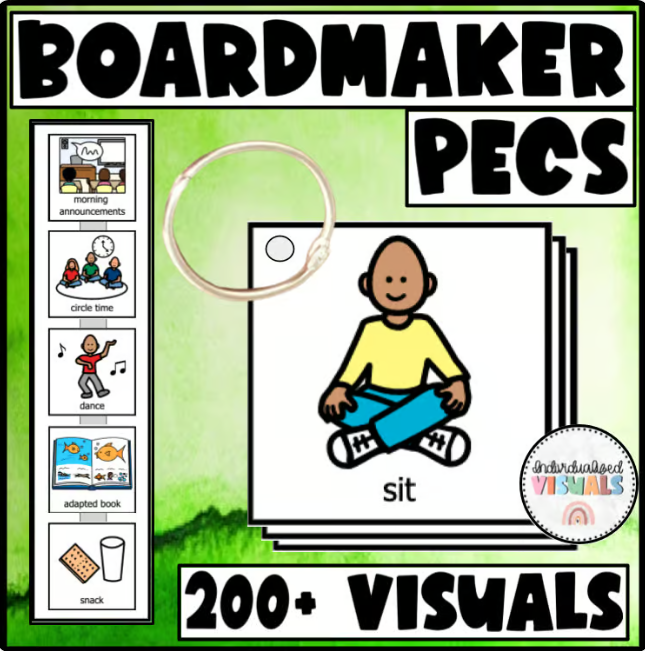
It can be very time consuming to find all the visuals you need on Boardmaker so this will save valuable time while ensuring consistency and quality. Also, some people do not have access to the program or it is out of their budget to purchase it, so buying this PDF would be a great way to access all the commonly used visuals all in one place!
Whether you’re supporting students with specific needs or simply aiming to create a more structured classroom, these visuals can help you build routines, reduce behaviours, and foster independence. Be sure to check out my store to find resources that fit your classroom needs and start creating a more supportive learning environment today.
Final Thoughts
Incorporating Boardmaker visuals and PECS isn’t just a strategy—it’s a commitment to accessibility, clarity, and student success. With the right supports in place, every student has the opportunity to thrive.
Disclaimer
Individualized Visuals is an official licensed PCS publisher
FREE Behavior Management Toolkit
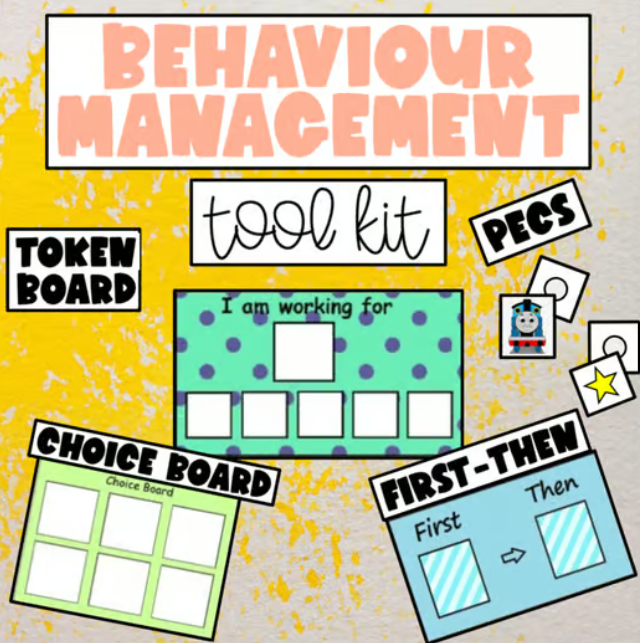
Download FREE choice boards, first then board and token boards here!